Research library
Guides and research notes.
Written for practice managers, clinicians buying for research programs, and lab staff. Chemistry, analytics, paperwork and the published literature. Nothing here is a usage guide.
AllCompound researchCertificates & testingHandling & storageComparisonsBuying & regulatoryPeptides 101
Why One Peptide Has Five Names: Codes, Trade Names, and CAS Numbers
Development codes, INNs, trade names, CAS numbers and UNIIs explained, using TB-500/thymosin beta-4 and PT-141/bremelanotide as worked examples.
October 21, 2026 · 11 min read
VIP (Vasoactive Intestinal Peptide): What the Research Literature Covers
VIP explained for the lab: the 28-residue sequence, VPAC1 and VPAC2 receptor pharmacology, the aviptadil development history and its status, and why the peptide is hard to keep stable.
October 21, 2026 · 10 min read
SNAP-8 (Acetyl Octapeptide-3): The Cosmetic-Science Peptide in the Research Literature
SNAP-8 (acetyl octapeptide-3) explained: its sequence, the SNARE-mimic hypothesis from SNAP-25 biology, what is in vitro only, and how cosmetic-grade differs from research-grade material.
October 21, 2026 · 10 min read
Reading a Blend Certificate: What a Multi-Peptide COA Must Show
Line by line through a multi-peptide certificate: per-component identity and content, co-elution in HPLC, ratio verification, with Wolverine, KLOW and GLOW as worked examples.
October 21, 2026 · 11 min read
Peptide Blends vs Single Compounds: What a Multi-Peptide Vial Actually Contains
How a research peptide blend is specified, why its certificate must list every component, how mass ratios work, and which research questions a blend can and cannot answer.
October 21, 2026 · 11 min read

How to Verify a Peptide Lab Report Is Real
A verification checklist for peptide certificates of analysis: report numbers, confirming with the issuing lab, metadata checks, forgery tells, and US Prime's lot-matched process.
October 21, 2026 · 11 min read
What 'Made in the USA' Means for a Research Peptide
Synthesis, lyophilization, testing, and packaging can each happen in a different country. What the FTC 'all or virtually all' standard requires, the FDA import-alert context, and how to read a claim.
October 21, 2026 · 11 min read
The WADA Prohibited List and Peptides: Which Classes Are Named
How the 2026 WADA Prohibited List classes S0, S2, and S4 capture BPC-157, TB-500, CJC-1295, ipamorelin, GHRPs, MOTS-c, and others, and why anti-doping labs need reference materials.
October 21, 2026 · 11 min read
How Practices and Labs Order from US Prime Peptides: Accounts, Documentation, and Fulfillment
The physician-use account model, the entry confirmation, lot-matched certificates posted before purchase, the seven-layer testing standard, US fulfillment with 2-Day included, and human support.
October 21, 2026 · 10 min read
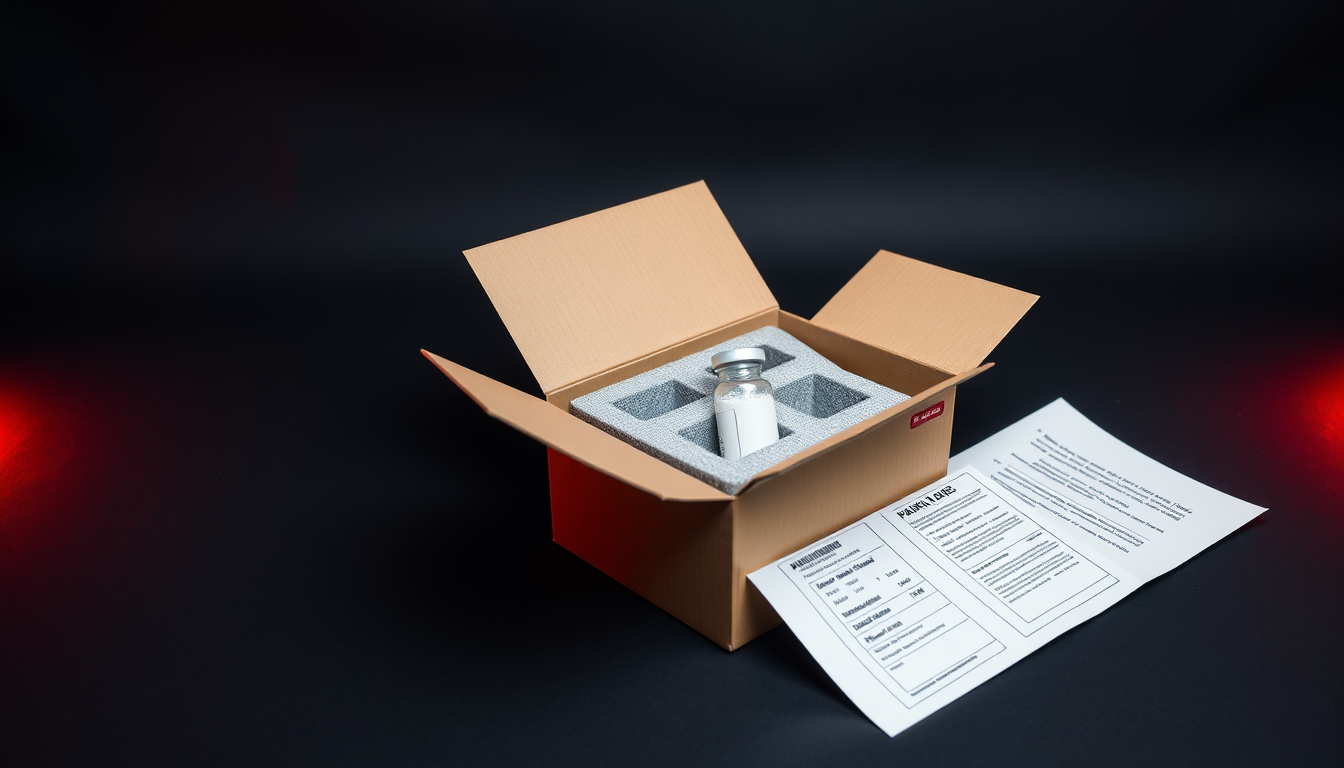
How a Research Peptide Order Is Packed and Shipped
From pick list to carrier: lot verification, vial protection, the packing slip, carrier temperature guidance, discreet cartons, transit times, and a receiving checklist for the lab.
October 21, 2026 · 10 min read
503A, 503B, and Research Use Only: Three Categories That Get Confused
What 503A pharmacy compounding, 503B outsourcing facilities, and research-use-only supply each are, who oversees each, and why a research vial is not a compounded product.
October 21, 2026 · 11 min read
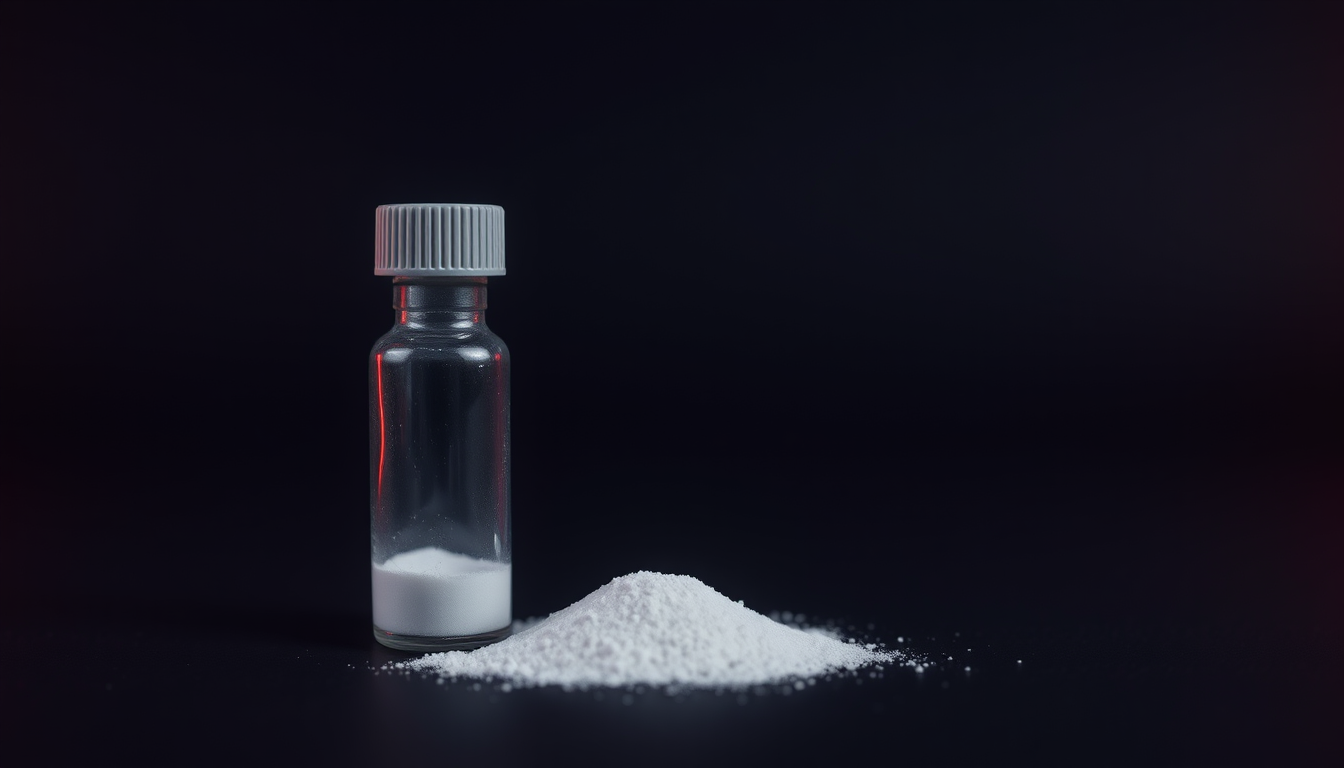
Why the Vial Looks Empty: Fill Weight, Cake Volume, and Label Accuracy
A 5 or 10 mg lyophilized peptide is only a few microliters of solid. Why the cake looks the way it does, how fill weight is weighed, and why the COA content line is the real measure.
October 21, 2026 · 10 min read
Why Peptides Stick to Plastic, and How Labs Prevent Adsorption Loss
Peptides adsorb to tube walls through hydrophobic and electrostatic forces, and at research concentrations the loss can exceed 90%. What the comparisons of glass, plastic and low-binding tubes show.
October 21, 2026 · 10 min read
Thymalin vs Thymosin Alpha-1: Extract Fraction vs Defined Sequence
Thymalin vs thymosin alpha-1: why one is a 28-residue defined peptide and the other a calf-thymus extract, how their certificates differ, regulatory status, and literature quality.
October 21, 2026 · 9 min read
Vial, Liquid Spray, or Dissolving Strip: Research Peptide Formats Compared
Lyophilized vial, aqueous liquid spray, and orodispersible strip compared as chemistry: what each contains, how the label states mass, and why stability differs.
October 21, 2026 · 11 min read
Semax vs Selank: Two Russian Heptapeptides Compared
Semax and Selank compared by sequence origin (ACTH vs tuftsin), mass, charge, proposed target class, the rodent and cell literature, and what a blend certificate must show.
October 21, 2026 · 9 min read
TH9507: The Stabilized GHRH Analog in the Research Literature
TH9507 is GHRH(1-44) with a trans-3-hexenoyl cap that blocks DPP-IV. The plasma-stability, receptor, animal and volunteer papers, the Egrifta approval, and what a research vial is not.
October 21, 2026 · 10 min read
Pinealon vs Epithalon: Two Khavinson Peptides Compared
Pinealon (Glu-Asp-Arg) vs Epithalon (Ala-Glu-Asp-Gly): sequence, mass, charge, the shared DNA-binding hypothesis, which findings belong to which peptide, and what a COA can verify.
October 21, 2026 · 9 min read
Sermorelin (GHRH 1-29): What the Research Literature Covers
Sermorelin is GHRH(1-29)-NH2. The rat pituitary structure-activity papers, the cloned receptor and its cryo-EM structure, DPP-IV cleavage, and the Geref approval and 2008 discontinuation.
October 21, 2026 · 10 min read

Melanotan I vs Melanotan II vs PT-141: Three Melanocortin Analogs Compared
Melanotan I, Melanotan II and PT-141 compared: linear vs lactam-cyclized structure, receptor selectivity, which became Scenesse and Vyleesi, and what a certificate must show.
October 21, 2026 · 9 min read
Inside a Peptide Liquid Spray: Buffer, pH, Preservative, and Stability
What a peptide liquid spray contains as a formulation: buffer and pH, tonicity and osmolality, preservative and USP <51>, why the label states mass per bottle, and how shelf life is set.
October 21, 2026 · 11 min read
Ipamorelin vs Sermorelin vs TH9507: The Growth Hormone Secretagogue Family
Ipamorelin, sermorelin and TH9507 compared by receptor class, sequence length, N-terminal modification, approval history (Geref, Egrifta) and literature maturity.
October 21, 2026 · 9 min read
NAD+ in a Vial, a Strip, and a Spray: Stability and Documentation Compared
NAD+ hydrolyzes at its nicotinamide-ribosyl bond, so format sets shelf life. How the lyophilized vial, dissolving strip, and liquid spray differ in stability and on the certificate.
October 21, 2026 · 10 min read
Humanin vs MOTS-c vs SS-31: Three Mitochondria-Focused Peptides Compared
Humanin, MOTS-c and SS-31 compared: two peptides encoded by mitochondrial rRNA genes vs one synthetic cardiolipin binder, target classes, Forzinity approval, and certificate liabilities.
October 21, 2026 · 10 min read
Melanotan I and Melanotan II: Alpha-MSH Analogs in the Research Literature
Melanotan I (afamelanotide) and Melanotan II are structurally different alpha-MSH analogs. Receptor binding data, the Arizona origin papers, the Scenesse approval, and the warnings on MT-II.
October 21, 2026 · 11 min read
GHRP-2 vs GHRP-6: Sequence, Receptor Affinity, and Research History
GHRP-2 vs GHRP-6: two Bowers hexapeptides two residues apart, the same GHS-R1a receptor, GHRP-6's extra CD36 affinity, Japanese approval of pralmorelin, and blend certificates.
October 21, 2026 · 9 min read
Dissolving Peptide Strips: Film Chemistry and What the Label Should State
Dissolving peptide strips explained as orodispersible film technology: polymer matrix, plasticizer, solvent casting, USP <905> content uniformity, and what a strip certificate must state.
October 21, 2026 · 10 min read
LL-37: The Human Cathelicidin Peptide in the Research Literature
LL-37 is the 37-residue C-terminal peptide of the only human cathelicidin. Its 1995 discovery, membrane biophysics, immunology cell studies, microbiology-lab role, and certificate points.
October 21, 2026 · 11 min read
CJC-1295 vs Ipamorelin: GHRH Analog vs Ghrelin Mimetic
CJC-1295 and ipamorelin compared: GHRH receptor vs ghrelin receptor, 3.4 kDa vs 712 Da, the DAC albumin tail, why the pair is studied together, and what a blend certificate must show.
October 21, 2026 · 10 min read
Lab Supplies for Peptide Work: Water, Reconstitution Kits, and Low-Binding Consumables
The consumables around a peptide vial: USP water grades, bacteriostatic water, reconstitution solution and kits, low-binding tubes, filters, and glass, and why each shows up in results.
October 21, 2026 · 10 min read

Ipamorelin: The Selective Ghrelin Receptor Agonist in the Research Literature
Ipamorelin is a synthetic pentapeptide agonist of the ghrelin receptor. The 1998 Novo Nordisk characterization, receptor cloning and structure, volunteer PK data, and the ended Helsinn program.
October 21, 2026 · 10 min read
IGF-1 LR3: The Long-R3 Analog in the Research Literature
IGF-1 LR3 is an 83-residue recombinant IGF-1 analog built in 1992 to escape binding proteins. The design papers, NMR structure, cell-culture role, and what its certificate should show.
October 21, 2026 · 11 min read

Glutathione: Tripeptide Chemistry, Oxidation, and the Research Literature
Glutathione is a gamma-linked tripeptide whose thiol oxidizes in solution. The GSH/GSSG redox pair, why solutions degrade, assay methods, reagent uses, and its US regulatory history.
October 21, 2026 · 10 min read
GHRP-2 and GHRP-6: The First-Generation Growth Hormone Releasing Peptides
GHRP-6 and GHRP-2 are designed hexapeptides from Bowers' 1980s program. How they led to the GHS-R1a receptor and ghrelin, what cell and animal studies measured, and their status.
October 21, 2026 · 11 min read
Do Lyophilized Peptides Need Cold-Chain Shipping?
Why a sealed lyophilized vial tolerates days of ambient transit, how ICH Q1A(R2) tests thermal stability, which formats need a cold pack, and what to check and log on arrival.
October 21, 2026 · 11 min read
CJC-1295 With and Without DAC: Chemistry and the Research Literature
CJC-1295 names two molecules: a four-substitution GHRH(1-29) analog and the same peptide with an albumin-binding maleimide. The chemistry, the rat and volunteer papers, and the ended program.
October 20, 2026 · 11 min read

ARA-290 (Cibinetide): The Erythropoietin-Derived Peptide in the Research Literature
ARA-290 (cibinetide) is an 11-residue peptide copied from the aqueous face of erythropoietin's helix B. The receptor hypothesis, rodent studies, clinical program, status, and COA notes.
October 20, 2026 · 10 min read
AOD-9604: The hGH Fragment 176-191 in the Research Literature
AOD-9604 is a disulfide-bridged 16-residue fragment of human growth hormone. The Monash origin, what rodent and tissue studies measured, the ended clinical program, and the GRAS claim explained.
October 20, 2026 · 10 min read

The Vial, the Stopper, and the Seal: How Peptide Packaging Protects the Powder
Type I borosilicate glass, butyl stoppers, aluminum crimps and a nitrogen headspace each have a USP chapter and a literature. What each does for a lyophilized peptide and what to inspect.
October 20, 2026 · 11 min read
Aliquots, Freeze-Thaw Cycles, and Oxidation: Protecting a Peptide Solution
Why a dissolved peptide degrades with every freeze-thaw cycle, how single-use aliquots prevent it, and which residues oxidize when oxygen, light and metals reach a solution.
October 20, 2026 · 11 min read
SS-31 (Elamipretide): The Cardiolipin-Targeting Tetrapeptide in the Research Literature
SS-31 (elamipretide) chemistry, the cardiolipin-binding mechanism papers from 2004 to 2020, the trial record, and the September 2025 Forzinity approval, for research buyers.
October 20, 2026 · 10 min read
PT-141 (Bremelanotide): Melanocortin Receptor Research and Regulatory History
PT-141 (bremelanotide): the cyclic lactam structure, its one-dalton difference from Melanotan II, melanocortin receptor pharmacology, the 2020-21 MC4R structures, and the Vyleesi distinction.
October 20, 2026 · 10 min read
Oxytocin: Structure, the Disulfide Bridge, and the Research Literature
Oxytocin's nonapeptide chemistry and Cys1-Cys6 ring, its two-residue difference from vasopressin, the 1992-2025 receptor structures, solution degradation data, and the Pitocin distinction.
October 20, 2026 · 10 min read
Kisspeptin-10: The Metastin Fragment in the Research Literature
Kisspeptin-10 explained: the KISS1 fragment nomenclature, the 2001 receptor discovery papers, GPR54/KISS1R genetics, structure-activity work, and its unapproved status.
October 20, 2026 · 9 min read
Gonadorelin: The Synthetic GnRH Decapeptide in the Research Literature
Gonadorelin explained: the native GnRH decapeptide sequence, the tail-less GnRH receptor, how it differs from leuprolide, and its discontinued-human, current-veterinary approval record.
October 20, 2026 · 10 min read
Dihexa: Why It Is Classed Differently and What the Literature Actually Says
Dihexa explained: an angiotensin IV-derived small molecule, the HGF/c-Met hypothesis from one laboratory, the thin literature and 2025 retractions, and why most vendors skip it.
October 20, 2026 · 10 min read
Thymosin Alpha-1: What the Research Literature Covers
Thymosin alpha-1 is a 28-residue acetylated thymic peptide, approved abroad as thymalfasin but not in the US. Its chemistry, structure, immunology studies, and certificate notes.
October 20, 2026 · 11 min read
Thymalin: The Thymic Extract Peptide Complex in the Research Literature
Thymalin is a calf-thymus polypeptide fraction, not a single sequence. What the Soviet-era and later literature measured, and how it differs from thymosin alpha-1.
October 20, 2026 · 11 min read
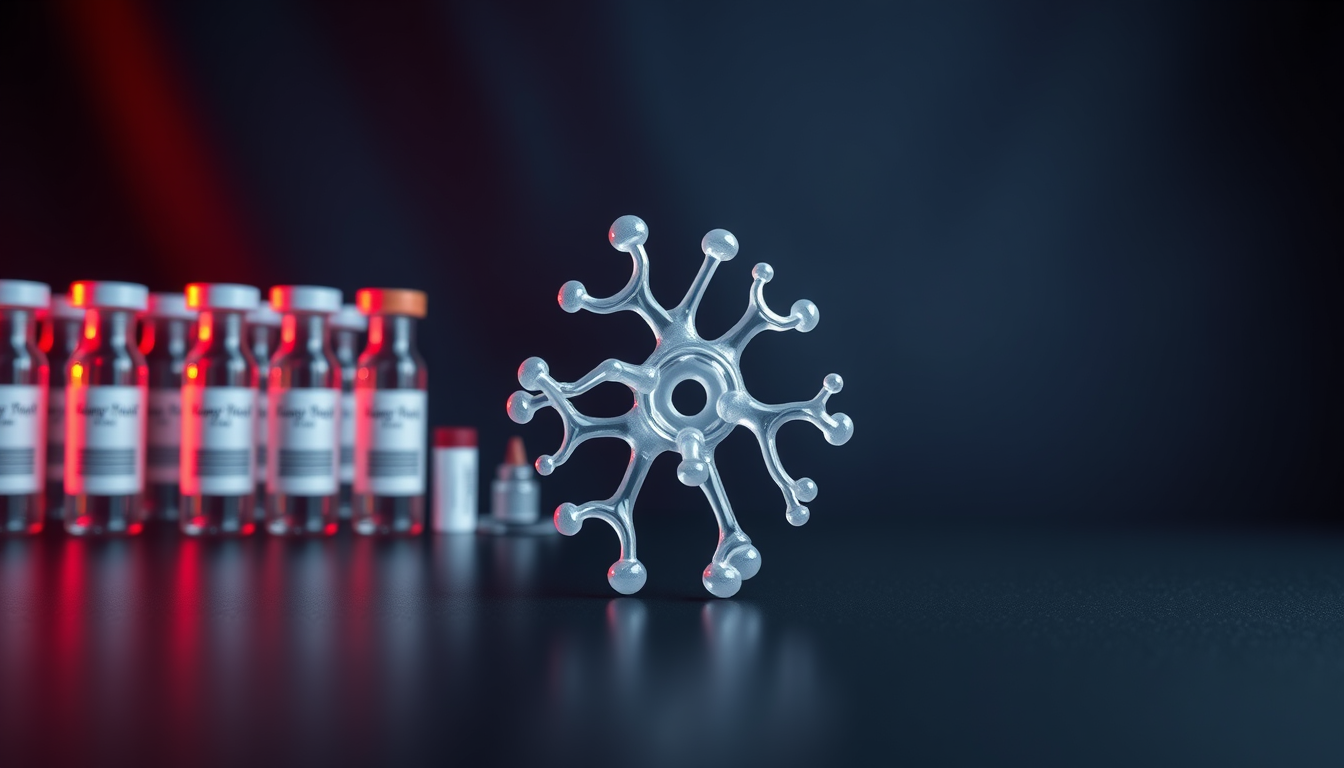
What Are GPCRs? The Receptor Family Most Research Peptides Bind
A primer on G protein-coupled receptors: the seven-helix fold, G protein and arrestin signaling, and why most research peptides have a GPCR target.
October 20, 2026 · 11 min read
Semax: The ACTH(4-10) Analog in the Research Literature
A model-by-model survey of the Semax literature: binding and BDNF studies, rat ischemia transcriptomics, copper chemistry, the N-acetyl amidate variant, and regulatory status.
October 20, 2026 · 12 min read
Selank: The Tuftsin Analog in the Research Literature
A survey of the Selank literature by model: plasma enkephalinase assays, GABA-A radioligand and slice work, mouse spleen cytokine genes, rodent behavior, and the Russian clinical record.
October 20, 2026 · 12 min read
What a Peptide Certificate of Analysis Does Not Test For
The blind spots of a standard peptide COA: stereochemistry, aggregation, biological activity, counter-ion, container adsorption, storage history and sampling limits.
October 20, 2026 · 11 min read
Pinealon (Glu-Asp-Arg): A Khavinson Tripeptide in the Research Literature
What is published on Pinealon (Glu-Asp-Arg): ROS and proliferation cell assays, DNA-binding biophysics, rodent models, the bioregulator hypothesis, and evidence quality.
October 20, 2026 · 11 min read
TFA Salt vs Acetate Salt: Why the Counter-Ion on a Peptide Matters
Where trifluoroacetate comes from in peptide synthesis, why it matters for cell assays and IR spectroscopy, how salt exchange works, and how to read the salt form.
October 20, 2026 · 11 min read
NAD+: Why It Is Not a Peptide and What the Research Covers
NAD+ is a dinucleotide coenzyme, not a peptide. Its salvage pathway, the age-decline and precursor literature in mice and humans, and why it is so unstable in solution.
October 20, 2026 · 11 min read
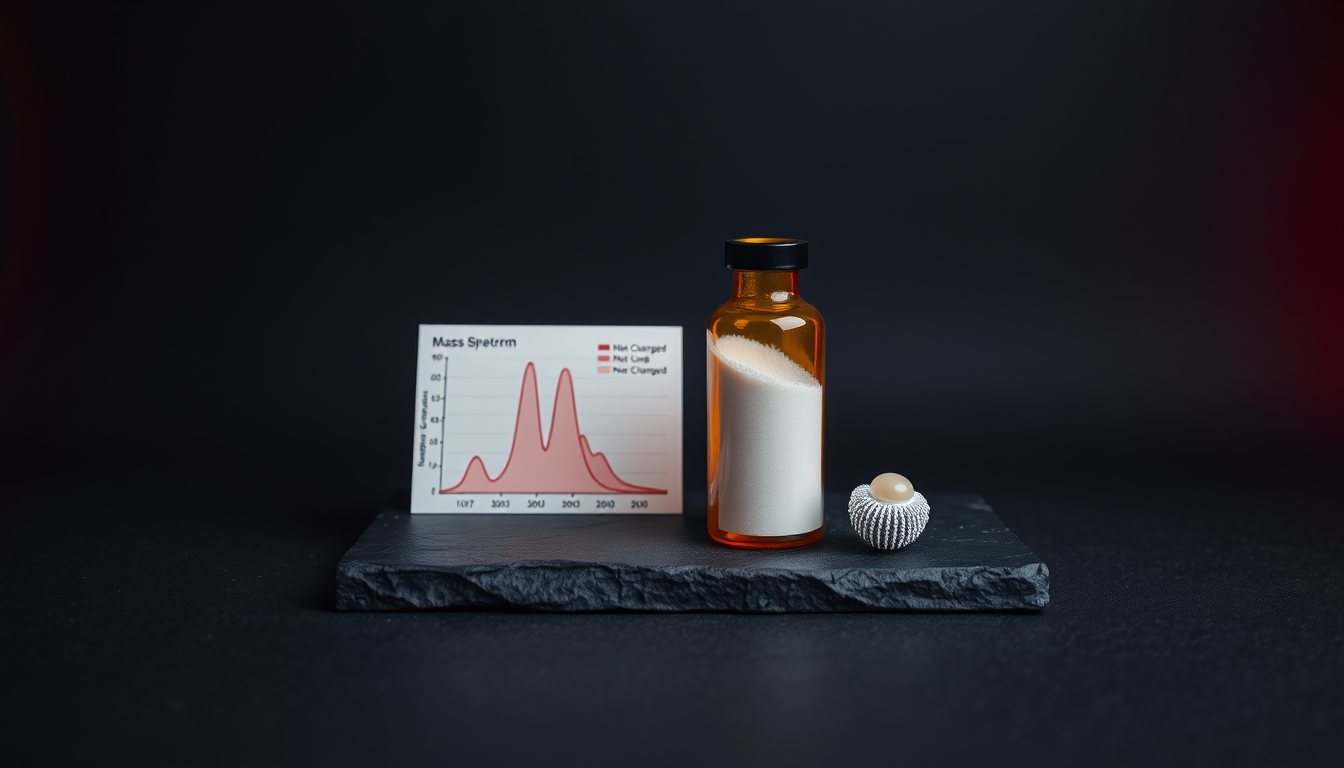
MOTS-c: The Mitochondrial-Derived Peptide in the Research Literature
MOTS-c is a 16-residue peptide encoded in mitochondrial 12S rRNA. What the 2015 Cell Metabolism paper, the nuclear-translocation work, rodent models, and human cohorts report.
October 20, 2026 · 11 min read
KPV: The Alpha-MSH Tripeptide Fragment in the Research Literature
KPV is Lys-Pro-Val, the last three residues of alpha-MSH. What human cell, mouse, rat, and rabbit studies report, the unresolved mechanism, and why it is in the KLOW blend.
October 20, 2026 · 11 min read
Khavinson Short Peptides: Vilon, Vesugen, Testagen, and Prostamax Explained
Vilon (KE), Vesugen (KED), Testagen (KEDG), and Prostamax (KEDP): sequences, the bioregulator hypothesis, what single-group studies measured, and the limits of the evidence.
October 20, 2026 · 12 min read
Humanin: The First Mitochondrial-Derived Peptide in the Research Literature
Humanin is a 24-residue peptide encoded inside the mitochondrial 16S rRNA gene. The 2001 discovery, its binding partners, rodent and human-sample data, and its relation to MOTS-c.
October 20, 2026 · 12 min read
Why a Second Laboratory Matters: Independent Testing vs Manufacturer Certificates
Why an independent laboratory's report carries different weight from a manufacturer's certificate, why two competent labs can disagree on one lot, and how to weigh each report.
October 20, 2026 · 10 min read
GHK-Cu Copper Peptide: What the Research Literature Covers
GHK-Cu is a tripeptide-copper complex first isolated from human plasma in 1973. What fibroblast, rodent, and gene-expression studies report, and what remains unestablished.
October 20, 2026 · 12 min read
What 'Lyophilized' Means and Why Peptides Ship as a Powder
Freeze-drying explained: freezing, sublimation, secondary drying, the cake, residual moisture, and why the dry solid is the stable form in which research peptides ship.
October 20, 2026 · 9 min read

LC-MS Identity Confirmation: What the Mass Spectrum Proves About a Peptide
How LC-MS confirms a peptide's identity: expected vs observed mass, charge states, isotope clusters, and the things a mass spectrum cannot distinguish.
October 20, 2026 · 11 min read
Epithalon (Epitalon): The Tetrapeptide in the Research Literature
Epithalon (Ala-Glu-Asp-Gly) by model: the telomerase fibroblast work and its 2025 independent replication, DNA-binding studies, rodent lifespan and tumor data, and what is unreplicated.
October 20, 2026 · 12 min read
Sterility Testing (USP <71>): What It Checks and What It Cannot Guarantee
How the USP <71> sterility test works: membrane filtration vs direct inoculation, two media, 14-day incubation, how many units are sampled, and why a pass is a lot-level statement.
October 20, 2026 · 11 min read
Why Some Peptides Dissolve Badly: Hydrophobicity, Aggregation, and Net Charge
Slow dissolution, true insolubility and aggregation are different failures. How sequence, net charge and GLP-1-class self-association decide which one you see.
October 20, 2026 · 11 min read
DSIP (Delta Sleep-Inducing Peptide): What the Research Literature Covers
DSIP is a nonapeptide named for a 1977 rabbit EEG finding. Why replication has been inconsistent, what the chemistry and immunoreactivity studies show, and what recent papers report.
October 20, 2026 · 12 min read

Research Peptide Glossary: 60 Terms Every Lab Buyer Should Know
Sixty terms from the peptide bench and the certificate of analysis, defined in one paragraph each: structure, synthesis, purification, analytics, lyophilization, and paperwork.
October 20, 2026 · 11 min read
Adamax: What the Name Covers and What Is Actually Published
Adamax is a vendor name for adamantane-conjugated Semax with no published studies of its own. What the Semax and adamantane literatures do show, and how to read a claim.
October 20, 2026 · 12 min read
Purity Is Not Potency: Three Numbers a Certificate Reports and What Each Means
Purity, net content and biological activity are three different measurements. What each one answers, how each is measured, and why most research certificates report no activity assay.
October 20, 2026 · 11 min read
5-Amino-1MQ: A Small-Molecule NNMT Inhibitor in the Research Literature
5-Amino-1MQ is a quinolinium small molecule, not a peptide, that inhibits NNMT. What the enzymology, adipocyte culture, and mouse studies report, and the absence of human data.
October 20, 2026 · 11 min read
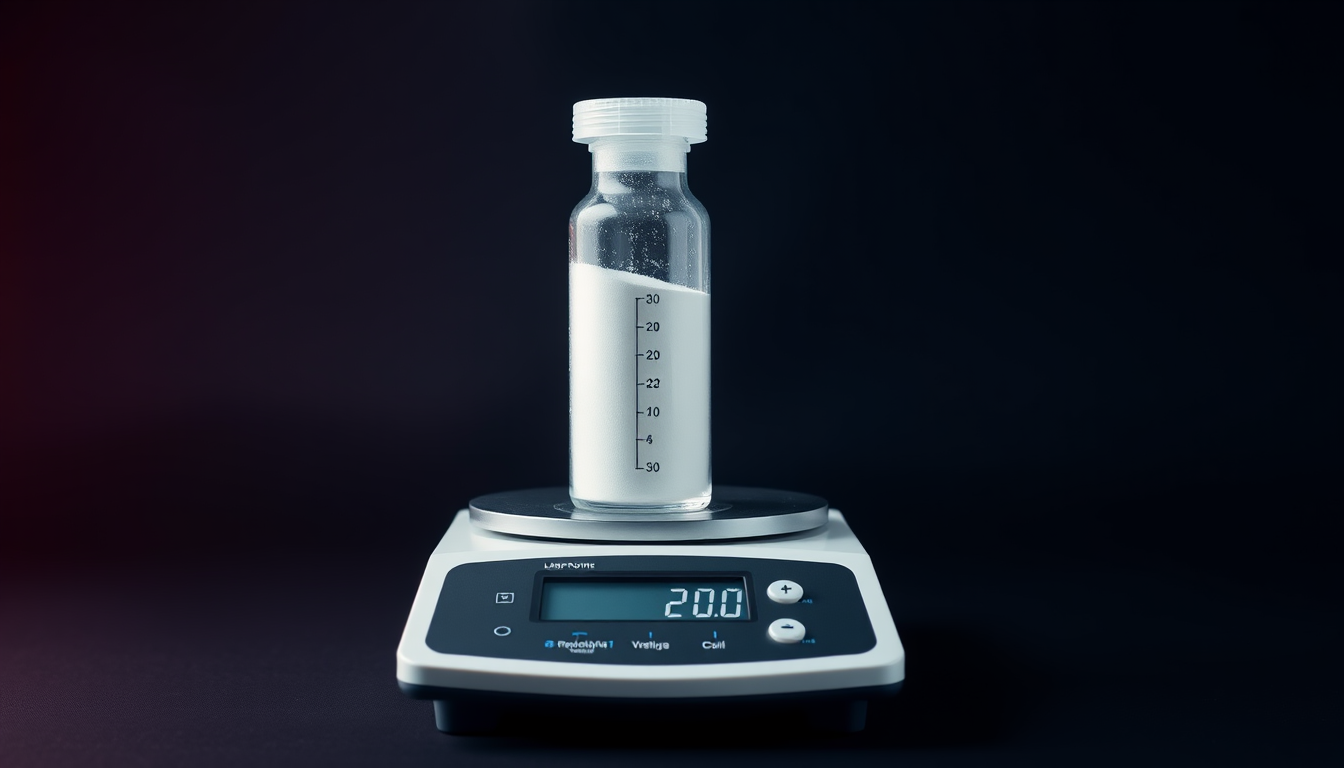
Milligrams, Micrograms, and Molarity: Reading the Units on a Peptide Label
Mass versus amount of substance: what 10 mg of a peptide is in micromoles, where molecular weight comes from, and why molar comparisons between compounds matter.
October 20, 2026 · 10 min read
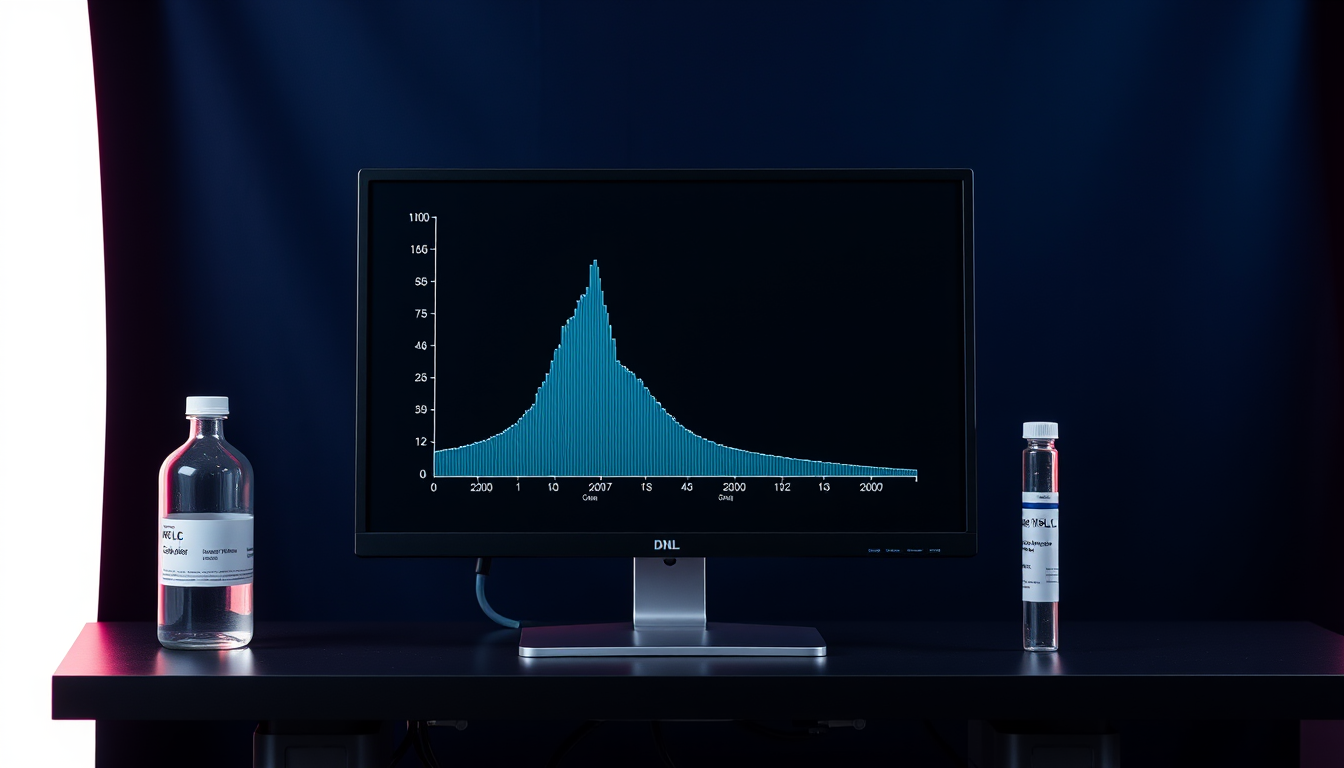
How to Read an HPLC Chromatogram: Peaks, Baselines, and Impurity Shoulders
A guided reading of a peptide HPLC chromatogram: axes, retention time, the main peak, deletion and insertion peaks, oxidation and diastereomer shoulders, and gradient artifacts.
October 20, 2026 · 11 min read
How to Read a Peptide Sequence: One-Letter Codes, Modifications, and Salt Forms
Decoding peptide notation: three- and one-letter codes, N-acetyl and C-amide caps, D-residues, lipid and PEG attachments, and why the salt form is not in the sequence.
October 20, 2026 · 10 min read
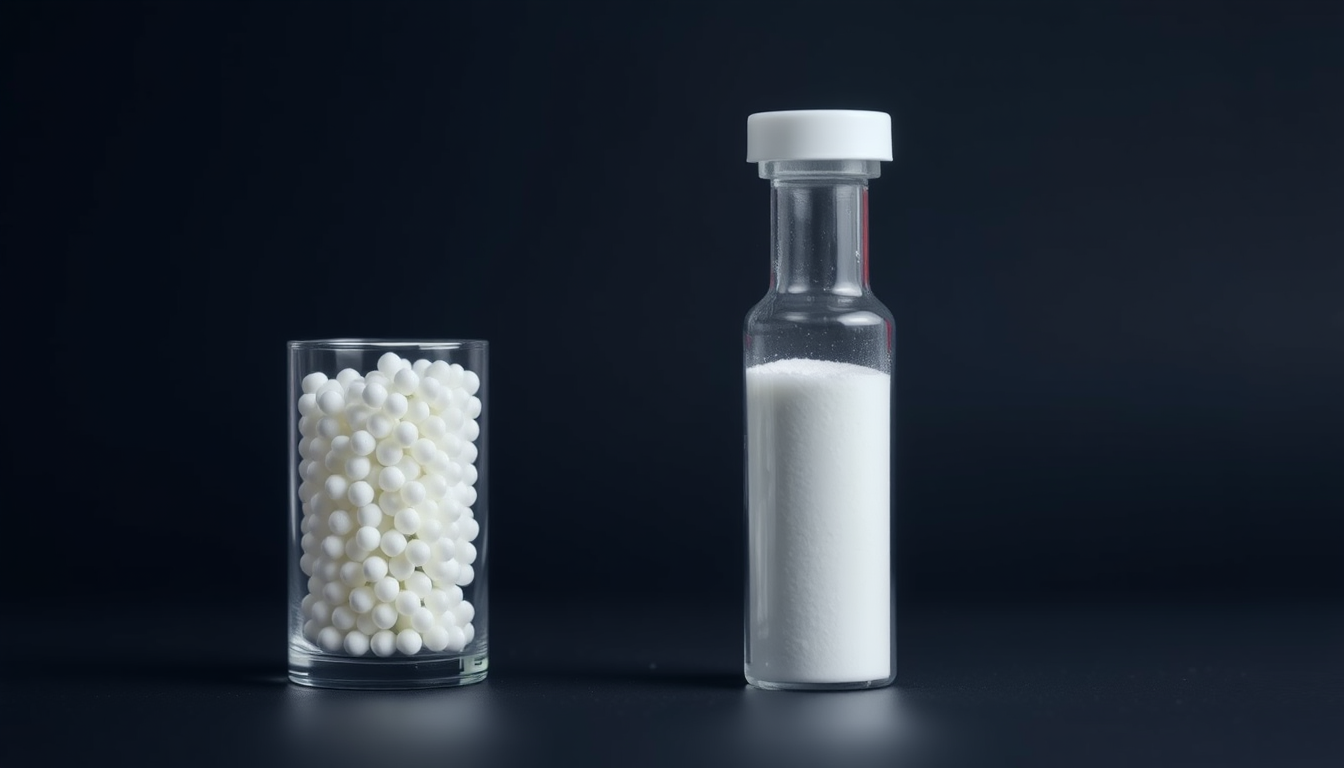
How Research Peptides Are Made: From Solid-Phase Synthesis to the Lyophilized Vial
Solid-phase synthesis, acid cleavage, preparative HPLC, salt exchange, lyophilization, and fill: how a research peptide is made and why each step leaves a line on the certificate.
October 20, 2026 · 10 min read
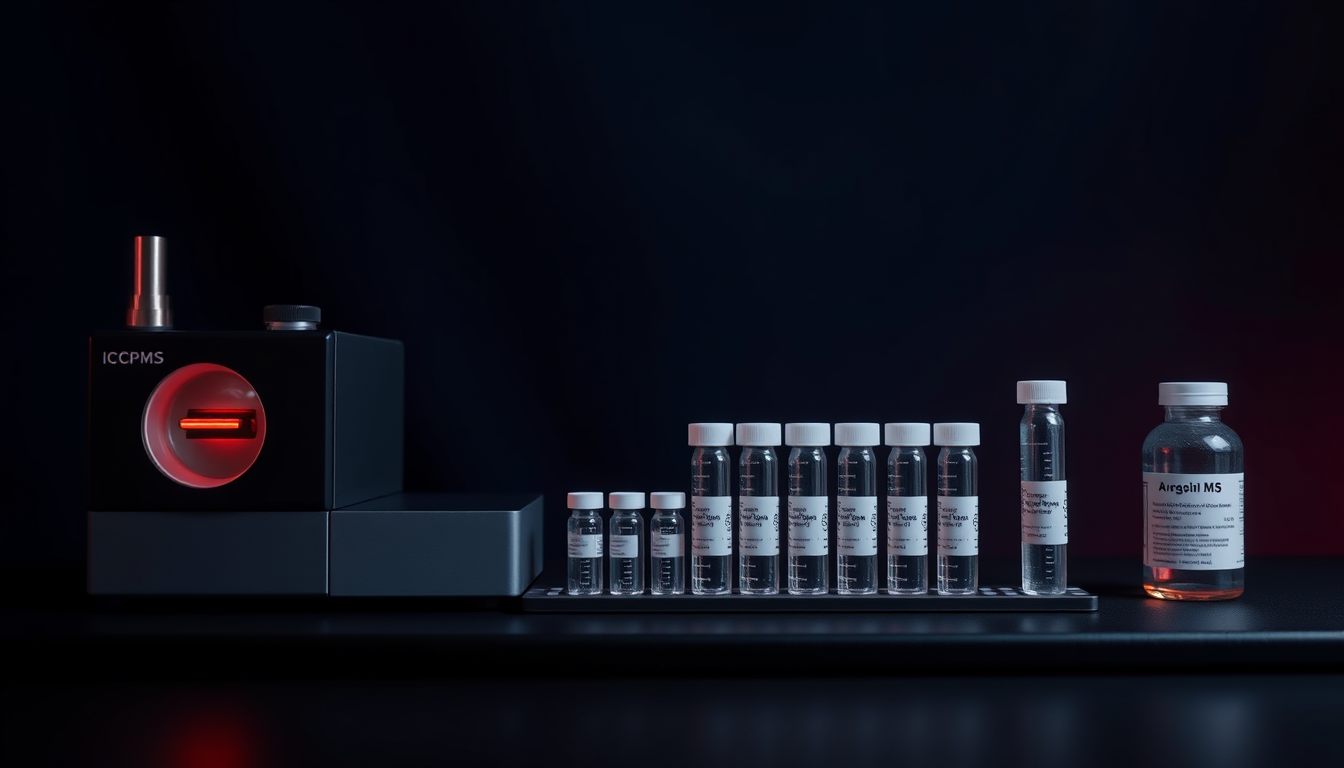
Heavy Metals (ICP-MS) and Residual Solvents on a Peptide Certificate
Where metals and solvents enter a synthetic peptide, how ICP-MS and headspace GC measure them, the ICH Q3D and Q3C limits used as reference points, and how to read both certificate lines.
October 20, 2026 · 12 min read
Reconstitution as Chemistry: Concentration, Solubility, and pH
Reconstitution as pure chemistry: mass-over-volume and molar concentration, solubility rules from sequence, pH and net charge, foaming, and adsorption loss.
October 20, 2026 · 11 min read
Peptide Storage and Stability: Temperature, Light, Moisture, and Time
How temperature, moisture, light and time degrade lyophilized peptides, the storage conditions the literature supports, and how to log a vial's history.
October 20, 2026 · 11 min read
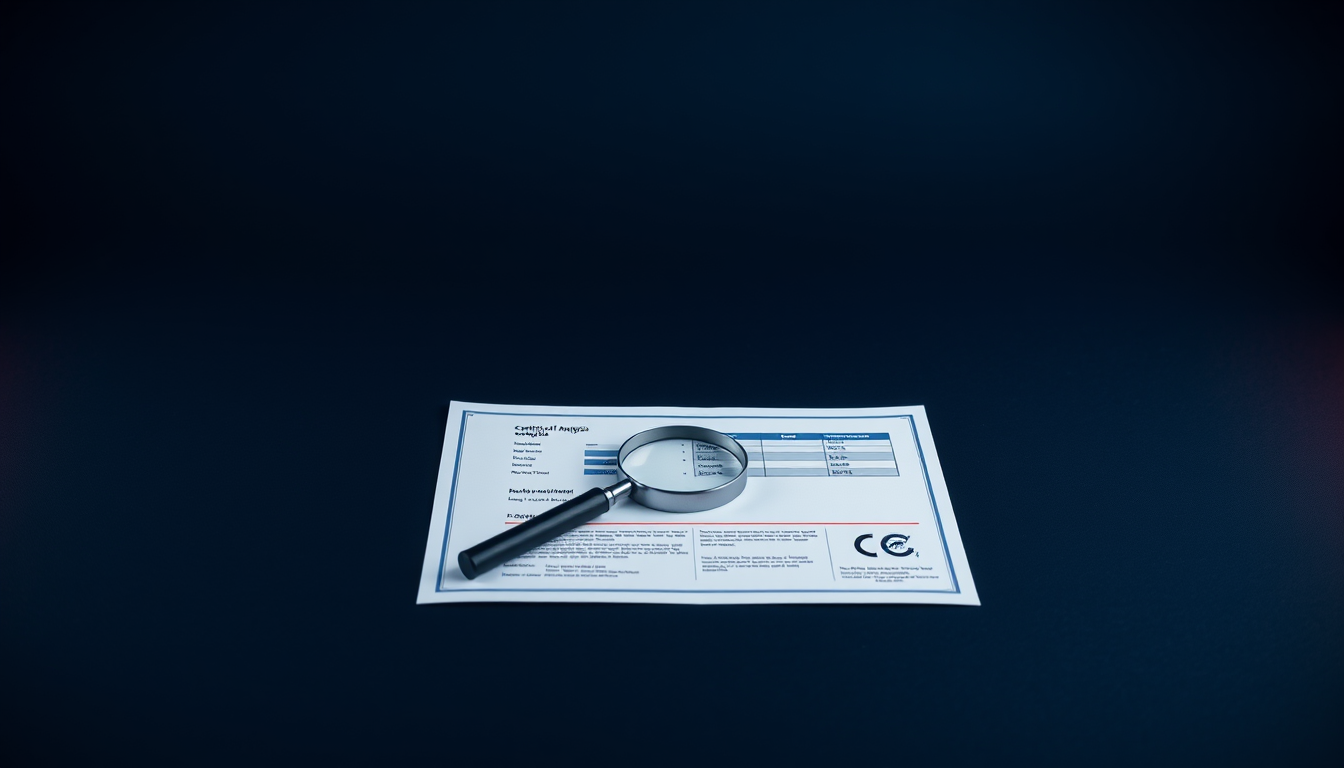
How to Vet a Research Peptide Vendor: A 12-Point Checklist
A 12-point checklist for vetting a research peptide vendor: lot-matched COAs, independent labs, verifiable reports, complete panels, origin claims, and marketing red flags.
October 20, 2026 · 9 min read

How Long Does a Reconstituted Peptide Last? Where the 28-Day Number Comes From
The 28-day figure is a USP <797> container convention tied to preservative testing, not peptide chemistry. Here is the chemical clock that runs alongside it.
October 20, 2026 · 11 min read
FDA Status of Common Research Peptides: A Reference Table
A reference table of more than 40 research peptides: which are approved by the FDA and under what product name, which are investigational, withdrawn, veterinary, or not approved drugs.
October 20, 2026 · 11 min read
BPC-157 vs TB-500: Structure, Origin, and Research Focus Compared
A chemistry-first comparison of BPC-157 and TB-500 (thymosin beta-4): sequence, mass, proposed target, literature quality, and what a blend certificate must list.
October 20, 2026 · 11 min read
Bacteriostatic Water vs Sterile Water vs Reconstitution Solution: What Each Is For
Sterile water, bacteriostatic water and reconstitution solution compared by composition, benzyl alcohol chemistry, pH, container design and peptide compatibility.
October 20, 2026 · 11 min read

What 'Research Use Only' Actually Means on a Peptide Label
Where the RUO label comes from in federal regulation, what it permits and prohibits, why vendors require attestations, and how it differs from 503A and 503B.
October 20, 2026 · 10 min read
Are Research Peptides Legal in the United States? What the Rules Actually Say
How the FDCA classifies a peptide by intended use, what a research-use-only label does, the 2023-2026 enforcement record, state variation, and what a practice should document.
October 20, 2026 · 11 min read
What Is a Peptide? Amino Acids, Bonds, and Why Chain Length Matters
A plain-English chemistry primer: amino acids, the planar peptide bond, where peptides end and proteins begin, and why sequence and length set behavior.
October 20, 2026 · 10 min read
What Are Research Peptides? Grades, Formats, and How Labs Use Them
What the research-peptide category is, how it differs from drug, compounded, and cosmetic grades, the formats it ships in, and what the RUO label obligates.
October 20, 2026 · 11 min read
What a Lot Number Is For, and How to Match a Vial to Its Certificate
Lot vs batch under 21 CFR 210.3, the records a lot number should trace to, a five-field label-to-COA matching routine, mismatch causes, and why issue dates matter.
October 20, 2026 · 11 min read
TB-500 and Thymosin Beta-4: What the Research Literature Covers
Thymosin beta-4 is a 43-residue actin-binding protein; TB-500 is a 7-residue fragment. What the literature reports for each, and where the human evidence gap sits.
October 20, 2026 · 12 min read
Net Peptide Content vs Purity: Why a 99% Pure Vial Can Hold Less Peptide Than You Think
Counter-ions, water, and salts make up part of every lyophilized vial. How net peptide content is measured, how TFA mass is estimated, and what the content line should say.
October 20, 2026 · 10 min read
HPLC Purity: What 'Area Percent' Does and Does Not Tell You
How reversed-phase HPLC purity is calculated as area percent, why 99% purity is not 99% peptide content, and how wavelength and response factors change the number.
October 20, 2026 · 10 min read
How to Read a Peptide Certificate of Analysis, Line by Line
Every line of a research-peptide COA explained: header and lot fields, MS identity, HPLC purity, net content, endotoxin, sterility, metals, and how to verify the report.
October 20, 2026 · 11 min read
Endotoxin Testing Explained: LAL, Recombinant Factor C, and Reading EU per mg
What endotoxins are, how USP <85> LAL and USP <86> recombinant Factor C methods detect them, what EU/mg means for a powder, and what a passing result proves.
October 20, 2026 · 11 min read
BPC-157: What the Published Research Covers
A model-by-model survey of the BPC-157 literature: cell culture, rodent, animal toxicology, and the small uncontrolled human record, plus regulatory status.
October 20, 2026 · 11 min read