Research library
Guides and research notes.
Written for practice managers, clinicians buying for research programs, and lab staff. Chemistry, analytics, paperwork and the published literature. Nothing here is a usage guide.
AllCompound researchCertificates & testingHandling & storageComparisonsBuying & regulatoryPeptides 101

How to Verify a Peptide Lab Report Is Real
A verification checklist for peptide certificates of analysis: report numbers, confirming with the issuing lab, metadata checks, forgery tells, and US Prime's lot-matched process.
October 21, 2026 · 11 min read
What 'Made in the USA' Means for a Research Peptide
Synthesis, lyophilization, testing, and packaging can each happen in a different country. What the FTC 'all or virtually all' standard requires, the FDA import-alert context, and how to read a claim.
October 21, 2026 · 11 min read
The WADA Prohibited List and Peptides: Which Classes Are Named
How the 2026 WADA Prohibited List classes S0, S2, and S4 capture BPC-157, TB-500, CJC-1295, ipamorelin, GHRPs, MOTS-c, and others, and why anti-doping labs need reference materials.
October 21, 2026 · 11 min read
How Practices and Labs Order from US Prime Peptides: Accounts, Documentation, and Fulfillment
The physician-use account model, the entry confirmation, lot-matched certificates posted before purchase, the seven-layer testing standard, US fulfillment with 2-Day included, and human support.
October 21, 2026 · 10 min read
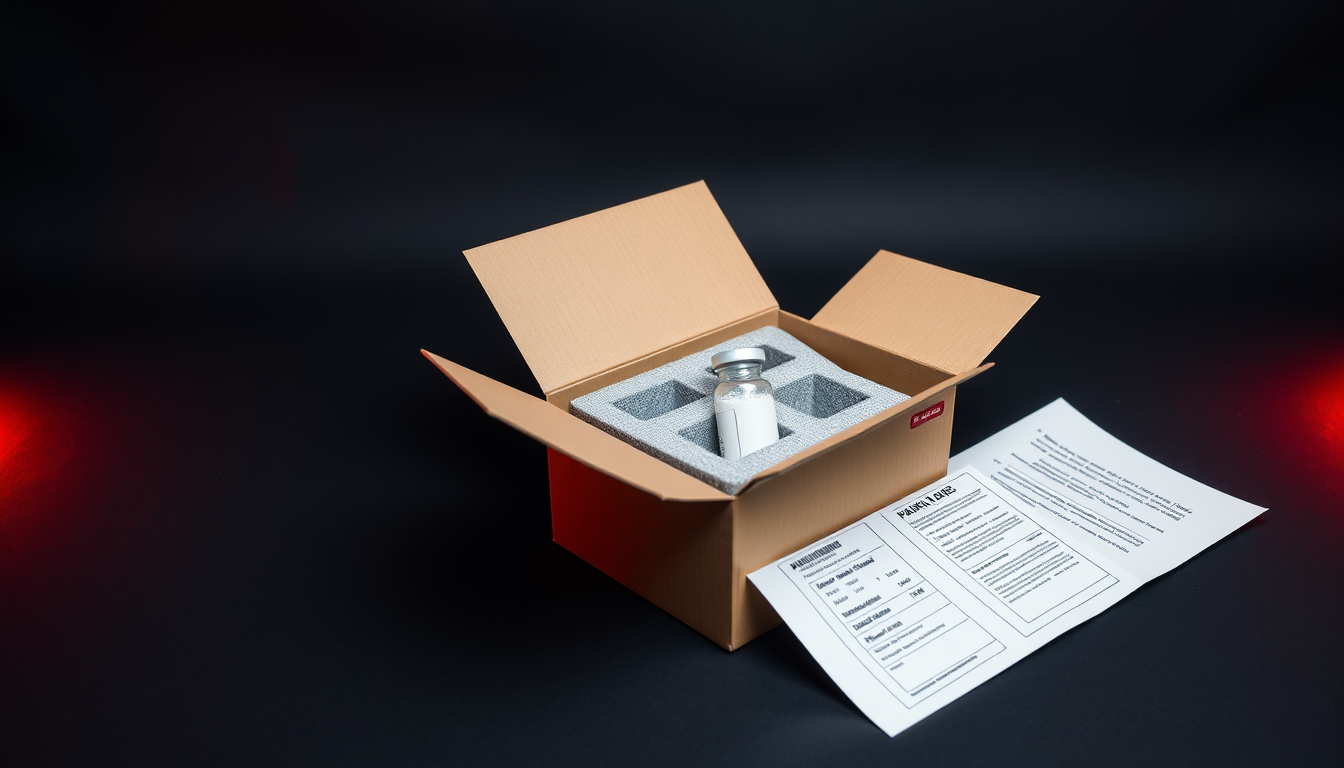
How a Research Peptide Order Is Packed and Shipped
From pick list to carrier: lot verification, vial protection, the packing slip, carrier temperature guidance, discreet cartons, transit times, and a receiving checklist for the lab.
October 21, 2026 · 10 min read
503A, 503B, and Research Use Only: Three Categories That Get Confused
What 503A pharmacy compounding, 503B outsourcing facilities, and research-use-only supply each are, who oversees each, and why a research vial is not a compounded product.
October 21, 2026 · 11 min read

Why a Second Laboratory Matters: Independent Testing vs Manufacturer Certificates
Why an independent laboratory's report carries different weight from a manufacturer's certificate, why two competent labs can disagree on one lot, and how to weigh each report.
October 20, 2026 · 10 min read

How to Vet a Research Peptide Vendor: A 12-Point Checklist
A 12-point checklist for vetting a research peptide vendor: lot-matched COAs, independent labs, verifiable reports, complete panels, origin claims, and marketing red flags.
October 20, 2026 · 9 min read

FDA Status of Common Research Peptides: A Reference Table
A reference table of more than 40 research peptides: which are approved by the FDA and under what product name, which are investigational, withdrawn, veterinary, or not approved drugs.
October 20, 2026 · 11 min read

What 'Research Use Only' Actually Means on a Peptide Label
Where the RUO label comes from in federal regulation, what it permits and prohibits, why vendors require attestations, and how it differs from 503A and 503B.
October 20, 2026 · 10 min read
Are Research Peptides Legal in the United States? What the Rules Actually Say
How the FDCA classifies a peptide by intended use, what a research-use-only label does, the 2023-2026 enforcement record, state variation, and what a practice should document.
October 20, 2026 · 11 min read
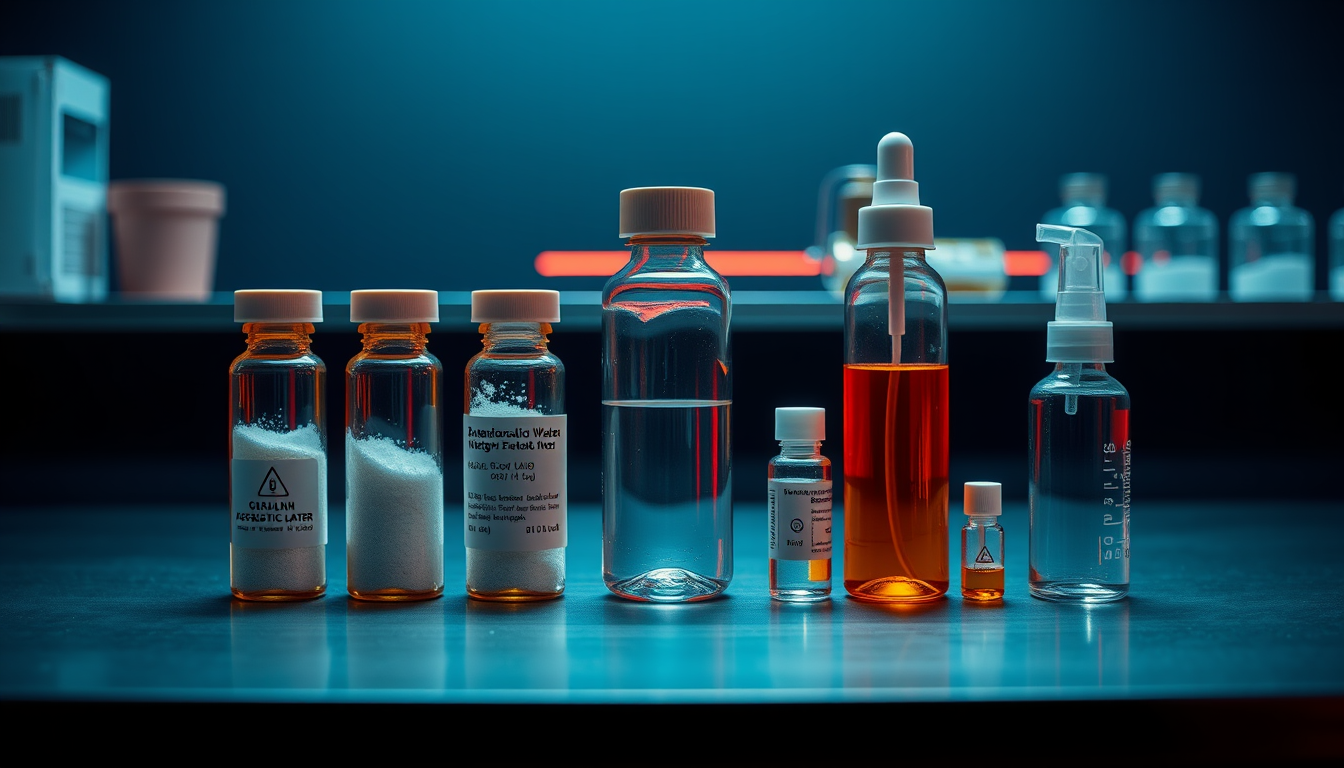
What Are Research Peptides? Grades, Formats, and How Labs Use Them
What the research-peptide category is, how it differs from drug, compounded, and cosmetic grades, the formats it ships in, and what the RUO label obligates.
October 20, 2026 · 11 min read
What a Lot Number Is For, and How to Match a Vial to Its Certificate
Lot vs batch under 21 CFR 210.3, the records a lot number should trace to, a five-field label-to-COA matching routine, mismatch causes, and why issue dates matter.
October 20, 2026 · 11 min read