
Research library
Guides and research notes.
Written for practice managers, clinicians buying for research programs, and lab staff. Chemistry, analytics, paperwork and the published literature. Nothing here is a usage guide.
AllCompound researchCertificates & testingHandling & storageComparisonsBuying & regulatoryPeptides 101
Why One Peptide Has Five Names: Codes, Trade Names, and CAS Numbers
Development codes, INNs, trade names, CAS numbers and UNIIs explained, using TB-500/thymosin beta-4 and PT-141/bremelanotide as worked examples.
October 21, 2026 · 11 min read
Peptide Blends vs Single Compounds: What a Multi-Peptide Vial Actually Contains
How a research peptide blend is specified, why its certificate must list every component, how mass ratios work, and which research questions a blend can and cannot answer.
October 21, 2026 · 11 min read
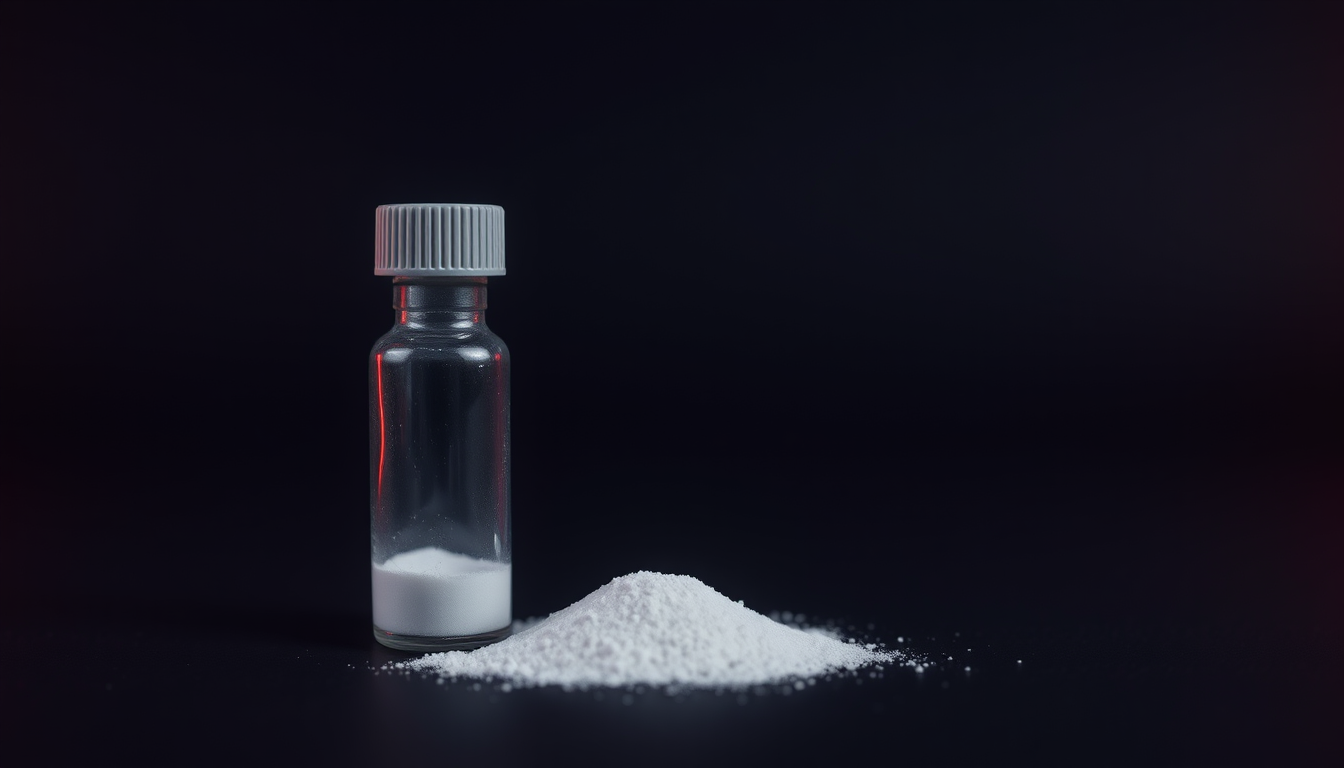
Why the Vial Looks Empty: Fill Weight, Cake Volume, and Label Accuracy
A 5 or 10 mg lyophilized peptide is only a few microliters of solid. Why the cake looks the way it does, how fill weight is weighed, and why the COA content line is the real measure.
October 21, 2026 · 10 min read
What Are GPCRs? The Receptor Family Most Research Peptides Bind
A primer on G protein-coupled receptors: the seven-helix fold, G protein and arrestin signaling, and why most research peptides have a GPCR target.
October 20, 2026 · 11 min read

Research Peptide Glossary: 60 Terms Every Lab Buyer Should Know
Sixty terms from the peptide bench and the certificate of analysis, defined in one paragraph each: structure, synthesis, purification, analytics, lyophilization, and paperwork.
October 20, 2026 · 11 min read
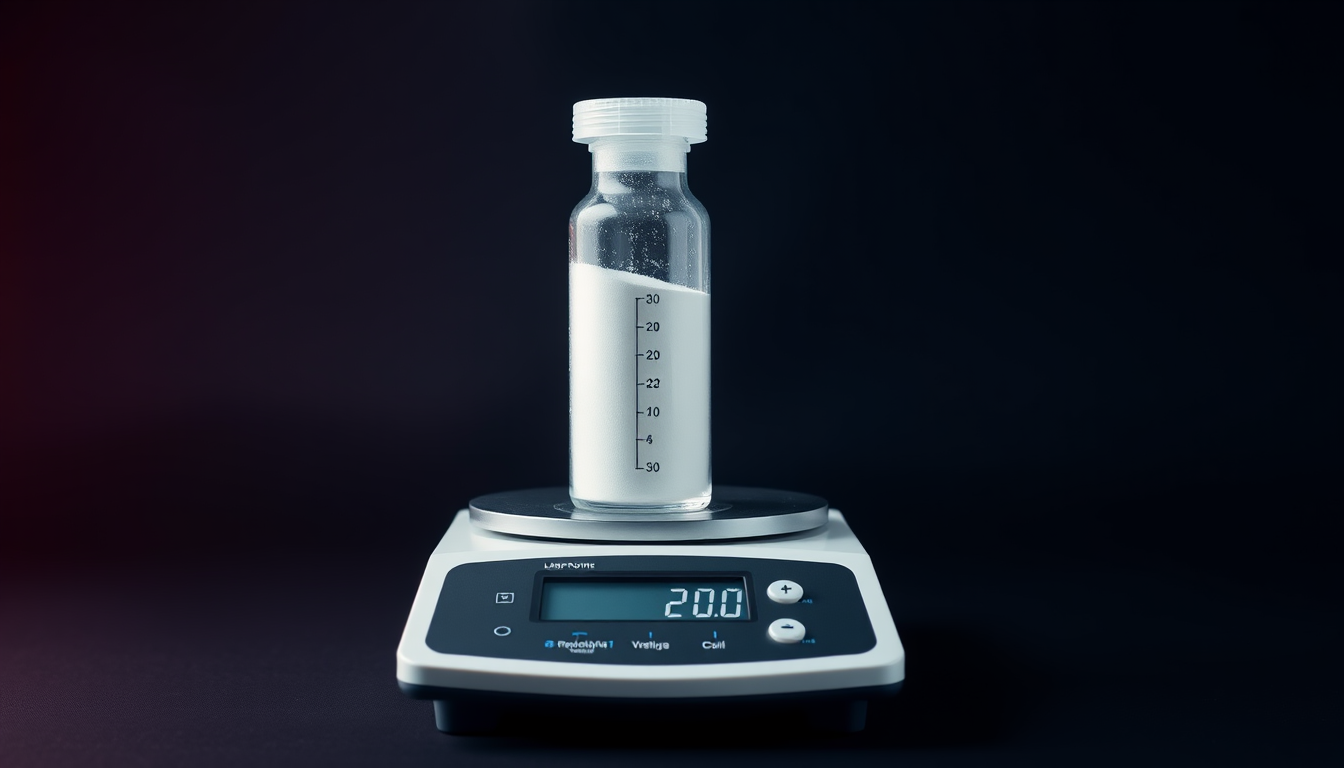
Milligrams, Micrograms, and Molarity: Reading the Units on a Peptide Label
Mass versus amount of substance: what 10 mg of a peptide is in micromoles, where molecular weight comes from, and why molar comparisons between compounds matter.
October 20, 2026 · 10 min read
How to Read a Peptide Sequence: One-Letter Codes, Modifications, and Salt Forms
Decoding peptide notation: three- and one-letter codes, N-acetyl and C-amide caps, D-residues, lipid and PEG attachments, and why the salt form is not in the sequence.
October 20, 2026 · 10 min read
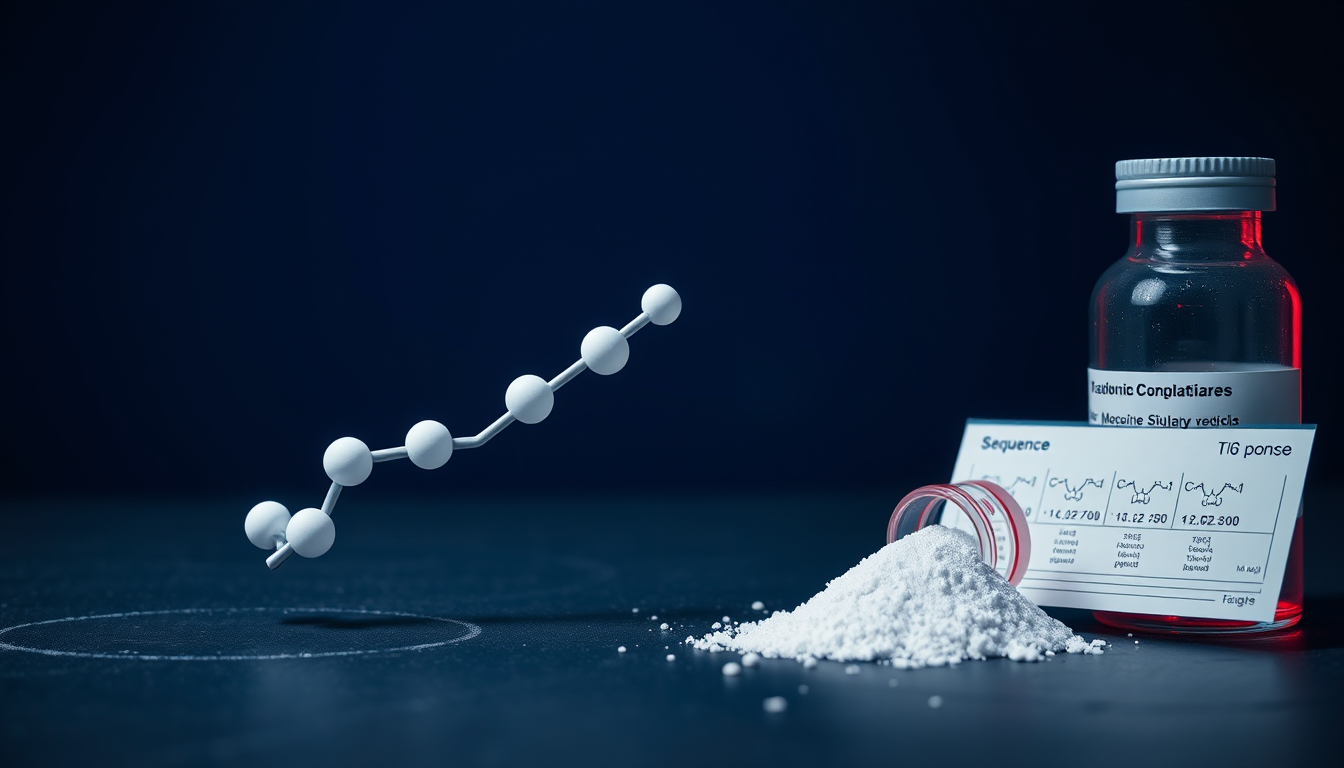
What Is a Peptide? Amino Acids, Bonds, and Why Chain Length Matters
A plain-English chemistry primer: amino acids, the planar peptide bond, where peptides end and proteins begin, and why sequence and length set behavior.
October 20, 2026 · 10 min read
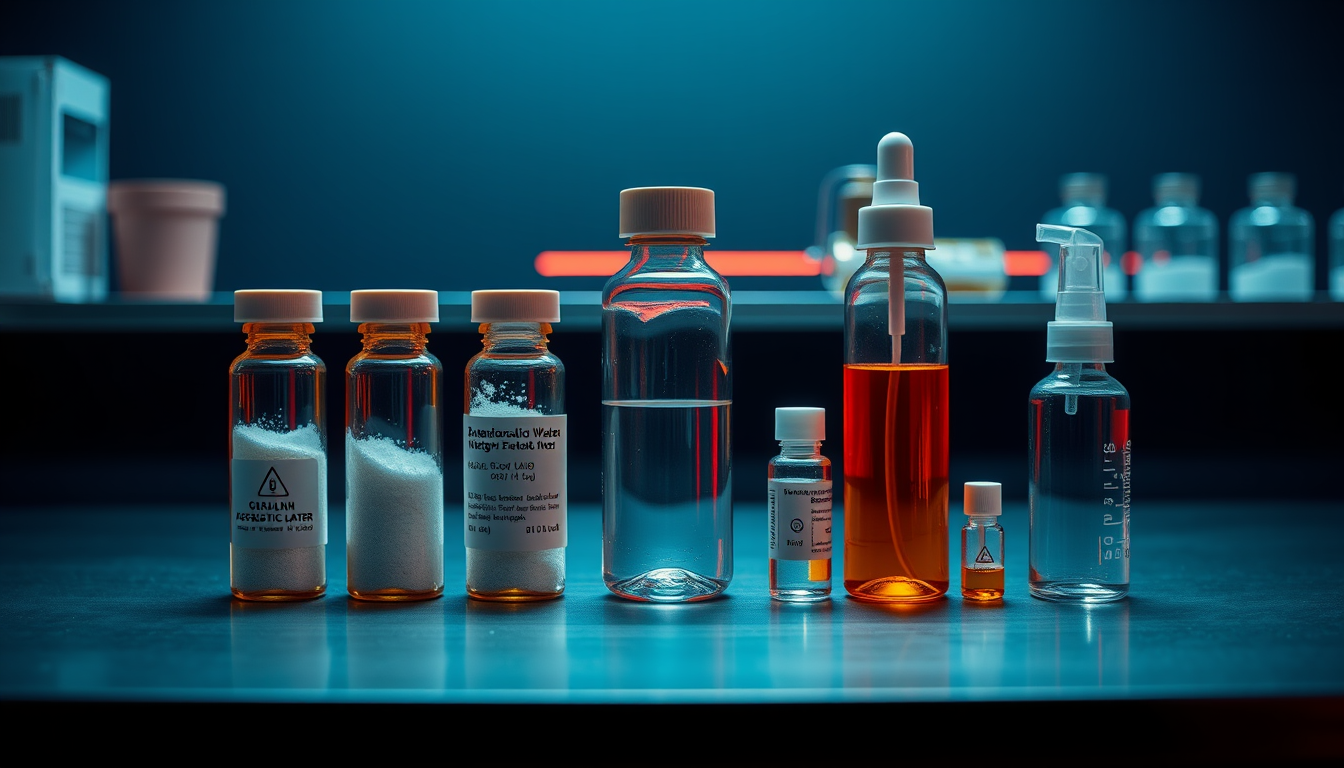
What Are Research Peptides? Grades, Formats, and How Labs Use Them
What the research-peptide category is, how it differs from drug, compounded, and cosmetic grades, the formats it ships in, and what the RUO label obligates.
October 20, 2026 · 11 min read