Research library
Guides and research notes.
Written for practice managers, clinicians buying for research programs, and lab staff. Chemistry, analytics, paperwork and the published literature. Nothing here is a usage guide.
AllCompound researchCertificates & testingHandling & storageComparisonsBuying & regulatoryPeptides 101
Reading a Blend Certificate: What a Multi-Peptide COA Must Show
Line by line through a multi-peptide certificate: per-component identity and content, co-elution in HPLC, ratio verification, with Wolverine, KLOW and GLOW as worked examples.
October 21, 2026 · 11 min read

How to Verify a Peptide Lab Report Is Real
A verification checklist for peptide certificates of analysis: report numbers, confirming with the issuing lab, metadata checks, forgery tells, and US Prime's lot-matched process.
October 21, 2026 · 11 min read
Why the Vial Looks Empty: Fill Weight, Cake Volume, and Label Accuracy
A 5 or 10 mg lyophilized peptide is only a few microliters of solid. Why the cake looks the way it does, how fill weight is weighed, and why the COA content line is the real measure.
October 21, 2026 · 10 min read
What a Peptide Certificate of Analysis Does Not Test For
The blind spots of a standard peptide COA: stereochemistry, aggregation, biological activity, counter-ion, container adsorption, storage history and sampling limits.
October 20, 2026 · 11 min read
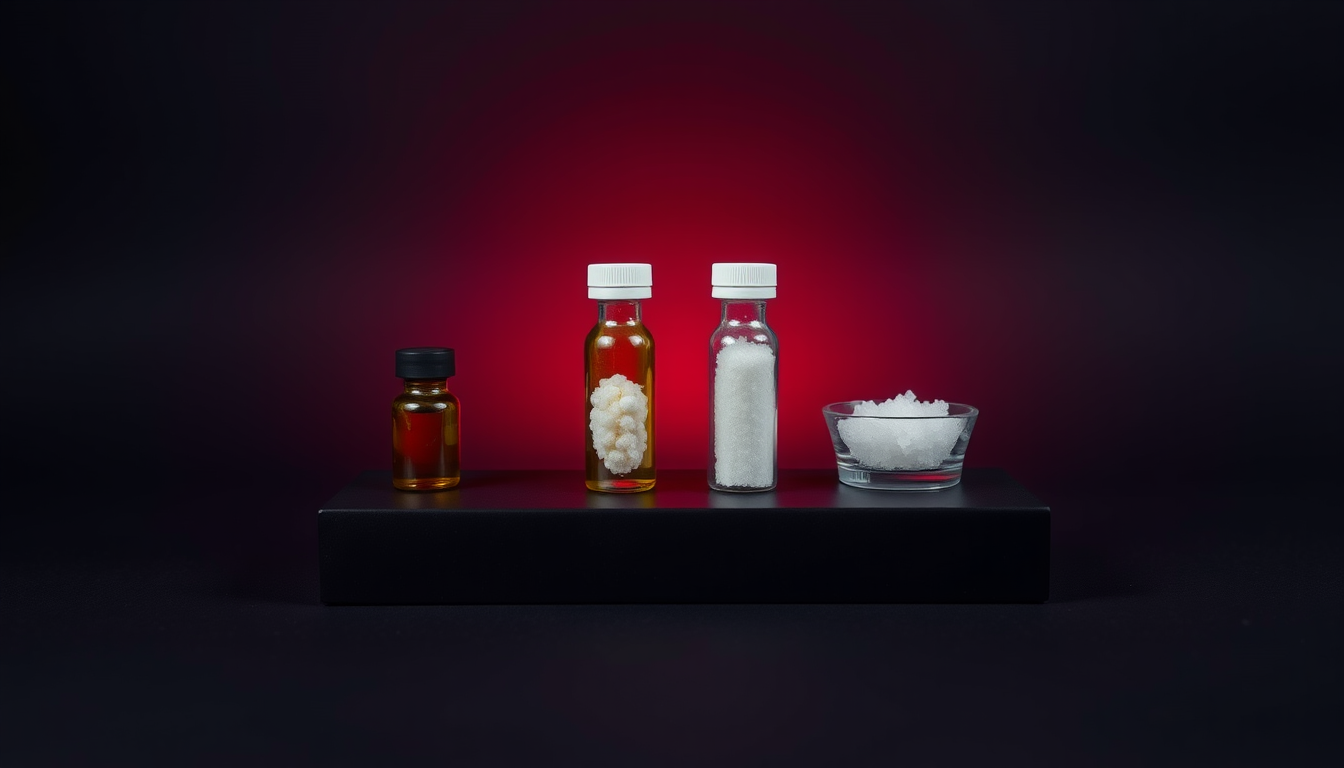
TFA Salt vs Acetate Salt: Why the Counter-Ion on a Peptide Matters
Where trifluoroacetate comes from in peptide synthesis, why it matters for cell assays and IR spectroscopy, how salt exchange works, and how to read the salt form.
October 20, 2026 · 11 min read

Why a Second Laboratory Matters: Independent Testing vs Manufacturer Certificates
Why an independent laboratory's report carries different weight from a manufacturer's certificate, why two competent labs can disagree on one lot, and how to weigh each report.
October 20, 2026 · 10 min read

LC-MS Identity Confirmation: What the Mass Spectrum Proves About a Peptide
How LC-MS confirms a peptide's identity: expected vs observed mass, charge states, isotope clusters, and the things a mass spectrum cannot distinguish.
October 20, 2026 · 11 min read
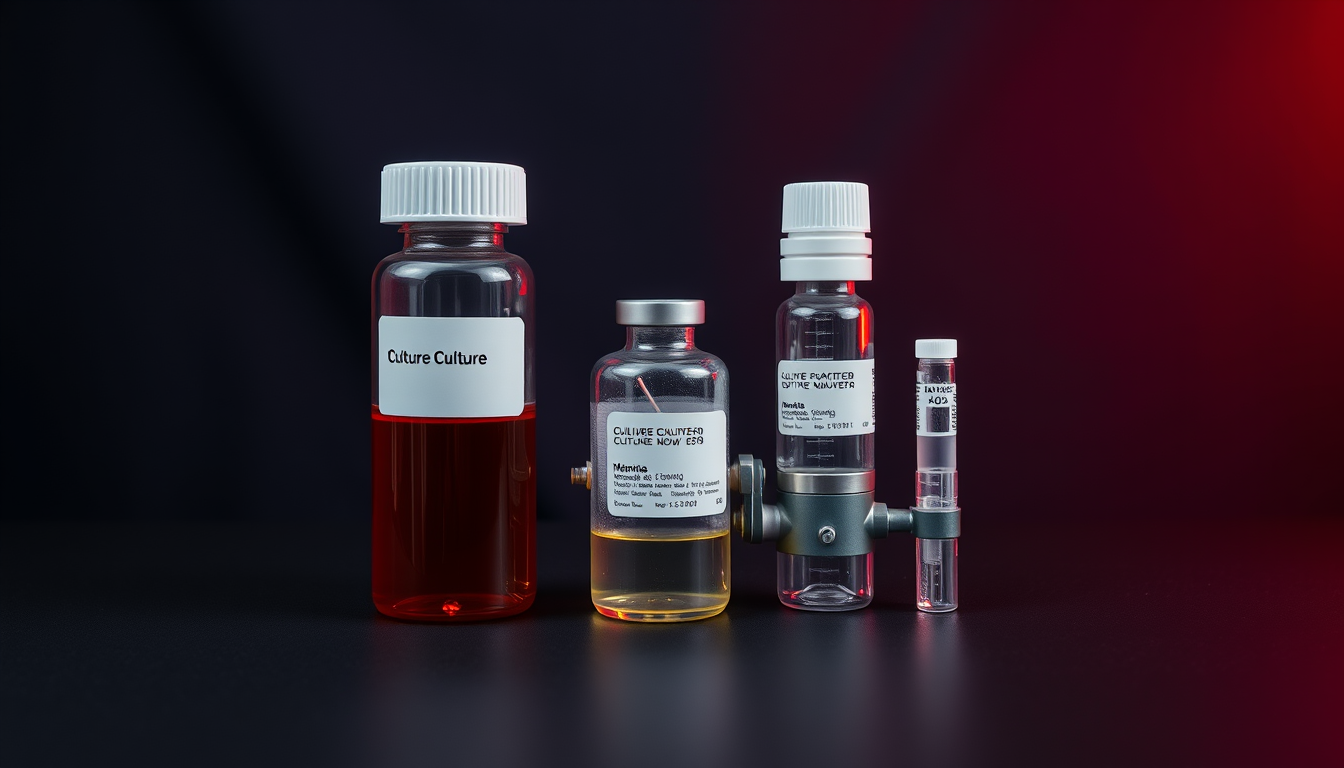
Sterility Testing (USP <71>): What It Checks and What It Cannot Guarantee
How the USP <71> sterility test works: membrane filtration vs direct inoculation, two media, 14-day incubation, how many units are sampled, and why a pass is a lot-level statement.
October 20, 2026 · 11 min read
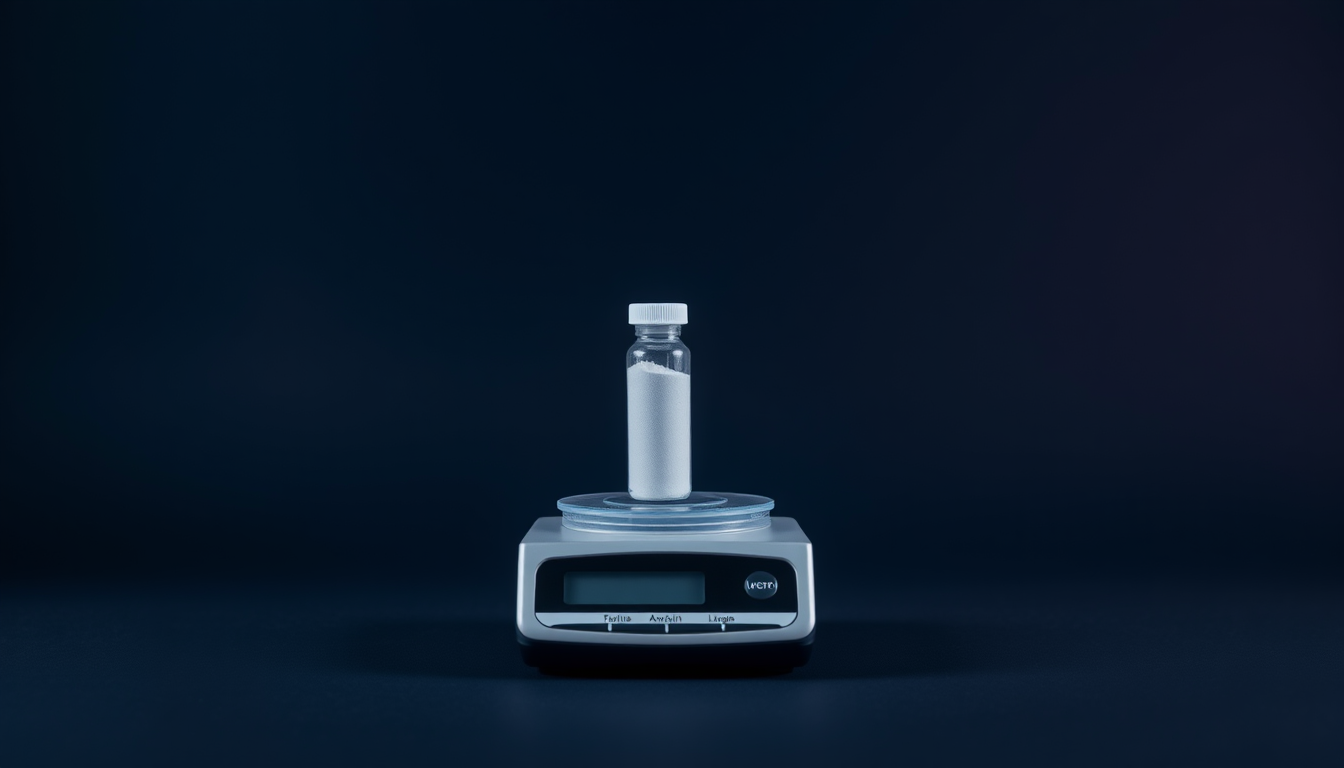
Purity Is Not Potency: Three Numbers a Certificate Reports and What Each Means
Purity, net content and biological activity are three different measurements. What each one answers, how each is measured, and why most research certificates report no activity assay.
October 20, 2026 · 11 min read
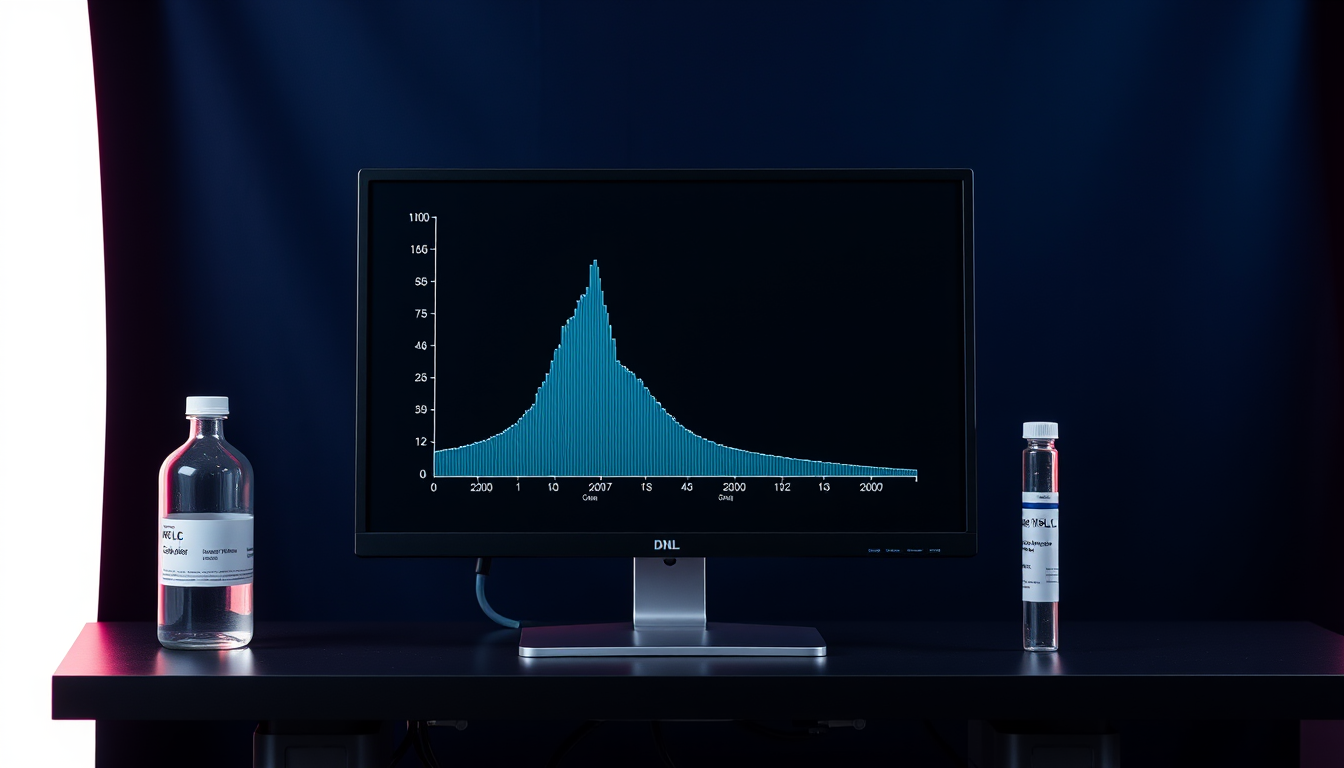
How to Read an HPLC Chromatogram: Peaks, Baselines, and Impurity Shoulders
A guided reading of a peptide HPLC chromatogram: axes, retention time, the main peak, deletion and insertion peaks, oxidation and diastereomer shoulders, and gradient artifacts.
October 20, 2026 · 11 min read
Heavy Metals (ICP-MS) and Residual Solvents on a Peptide Certificate
Where metals and solvents enter a synthetic peptide, how ICP-MS and headspace GC measure them, the ICH Q3D and Q3C limits used as reference points, and how to read both certificate lines.
October 20, 2026 · 12 min read

How to Vet a Research Peptide Vendor: A 12-Point Checklist
A 12-point checklist for vetting a research peptide vendor: lot-matched COAs, independent labs, verifiable reports, complete panels, origin claims, and marketing red flags.
October 20, 2026 · 9 min read
What a Lot Number Is For, and How to Match a Vial to Its Certificate
Lot vs batch under 21 CFR 210.3, the records a lot number should trace to, a five-field label-to-COA matching routine, mismatch causes, and why issue dates matter.
October 20, 2026 · 11 min read
Net Peptide Content vs Purity: Why a 99% Pure Vial Can Hold Less Peptide Than You Think
Counter-ions, water, and salts make up part of every lyophilized vial. How net peptide content is measured, how TFA mass is estimated, and what the content line should say.
October 20, 2026 · 10 min read
HPLC Purity: What 'Area Percent' Does and Does Not Tell You
How reversed-phase HPLC purity is calculated as area percent, why 99% purity is not 99% peptide content, and how wavelength and response factors change the number.
October 20, 2026 · 10 min read
How to Read a Peptide Certificate of Analysis, Line by Line
Every line of a research-peptide COA explained: header and lot fields, MS identity, HPLC purity, net content, endotoxin, sterility, metals, and how to verify the report.
October 20, 2026 · 11 min read
Endotoxin Testing Explained: LAL, Recombinant Factor C, and Reading EU per mg
What endotoxins are, how USP <85> LAL and USP <86> recombinant Factor C methods detect them, what EU/mg means for a powder, and what a passing result proves.
October 20, 2026 · 11 min read